

Inspired by Dr. Kyle Daigle, co-creator of the Neurosage Hub Platform
If your child struggles with focus, emotional regulation, or sensory overwhelm, the root issue might not be behavioral, it might be vestibular.
The vestibular system, located deep within the inner ear, helps regulate balance, spatial awareness, and movement perception. But its influence goes far beyond coordination. As Dr. Kyle Daigle teaches through the Neurosage Hub Platform, vestibular input is one of the most powerful tools we have to calm the nervous system, improve attention, and support emotional resilience.
Whether you’re a parent looking for home-based strategies or a practitioner seeking clinic-ready tools, these five activities offer a simple, effective starting point.
5 Vestibular Activities That Calm & Center
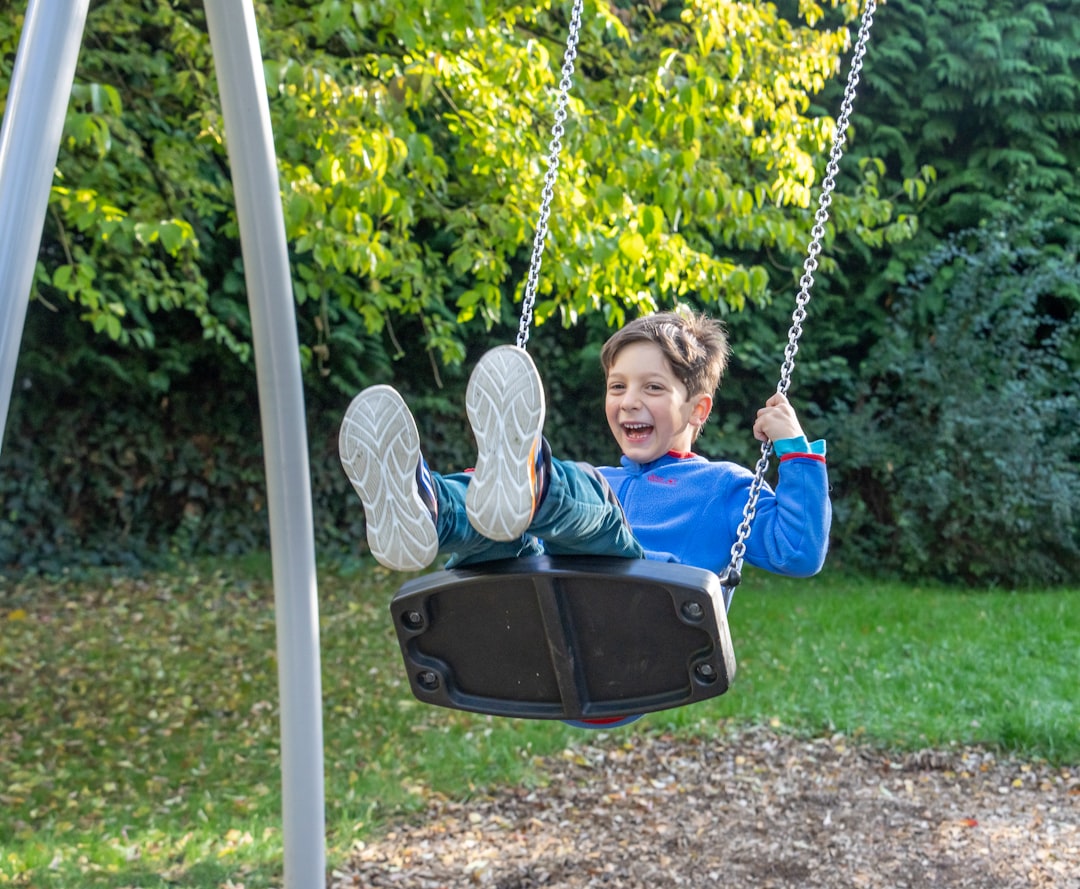
1. Swinging with Intention
Use a backyard swing, therapy swing, or hammock. Slow, rhythmic swinging (front to back or side to side) helps down-regulate the nervous system. Add music or deep pressure for extra co-regulation.
2. Spinning with Control
Gentle spinning on a sit-and-spin, office chair, or scooter board can be regulating — but always follow your child’s cues. Dr. Daigle recommends pairing spinning with grounding activities like heavy work or deep breathing.
3. Rock & Roll Routines
Try rocking in a rocking chair, rolling on a therapy ball, or doing “log rolls” across a mat. These movements activate vestibular pathways while offering predictable, calming input.
4. Inverted Play
Head-down positions like downward dog, hanging from monkey bars, or gentle somersaults stimulate the vestibular system and build core strength. Always supervise and keep it playful.
5. Scooter Board Adventures
Let your child lie on their belly and propel themselves across the floor. Create a “mail delivery” game or obstacle course. This builds coordination, bilateral integration, and vestibular resilience.

Tips for Parents & Practitioners
- Watch for signs of overload: Dizziness, nausea, or emotional dysregulation mean it’s time to pause
- Pair vestibular with proprioception: Follow spinning or swinging with jumping, pushing, or squeezing
- Use movement to co-regulate: Join in. Your presence amplifies the calming effect
- Make it a routine: Morning swings, post-school scooter rides, bedtime rocking — predictability builds trust
Final Thought & Call to Action
Vestibular work isn’t just about movement, it’s about modulation. When we offer intentional, playful vestibular input, we help children find their center. As Dr. Daigle reminds us, “Regulation starts in the body, and movement is the key.”
If you’re ready to go deeper with guided movement modules, practitioner insights, and a community that understands, join the Neurosage Hub Platform. It’s your home base for turning movement into meaningful progress.
Whether you’re a parent, educator, or clinician, you belong here. Explore the tools, join the community, and start building regulation from the inside out.
