

Inspired by Dr. Kyle Daigle, co-creator of the Neurosage Hub Platform
Fine motor skills are the building blocks of independence. From holding a spoon to zipping a jacket, these small muscle movements shape how children interact with their world. But for many kids on the spectrum, fine motor development can feel frustrating for them and for their caregivers.
Dr. Kyle Daigle reminds us that progress starts with play. When we shift from “practice” to “purposeful fun,” we unlock a child’s natural drive to engage, explore, and grow.
The Neurosage Hub Platform is built on this philosophy: offering guided activities, practitioner insights, and community support to help families and clinicians turn everyday moments into meaningful progress.
Here are five simple, sensory-rich activities you can do today – no fancy tools required.
1. Pom-Pom Push
What you need: A plastic container with holes, colorful pom-poms
Why it works: Strengthens finger isolation, bilateral coordination, and visual tracking
How to do it: Cut small holes in the lid of a container. Invite your child to push pom-poms through each hole using their fingers or tongs. Add a color-matching twist for extra cognitive engagement.
2. Snip & Sort
What you need: Child-safe scissors, colored paper, muffin tin
Why it works: Builds hand strength, precision, and sequencing
How to do it: Let your child snip strips of paper into small pieces. Then sort them by color into muffin tin sections. Celebrate every snip — it’s a big deal!
3. Sticker Trails
What you need: Dot stickers, paper, marker
Why it works: Enhances pincer grasp, hand-eye coordination, and motor planning
How to do it: Draw a winding line or shape on paper. Have your child place stickers along the path. Bonus: turn it into a “rescue mission” or “treasure trail” for added storytelling.
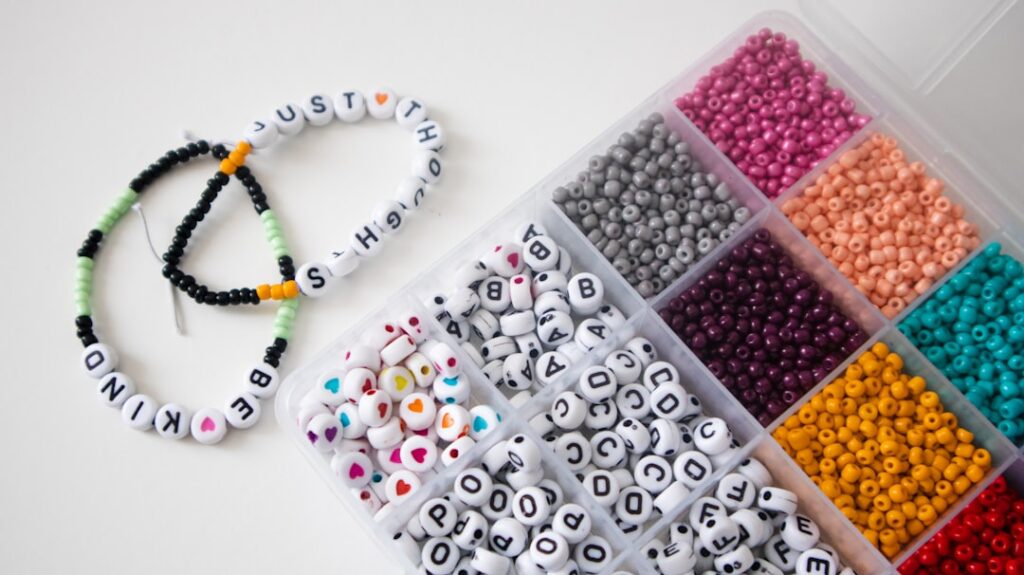
4. Bead & Build
What you need: Pipe cleaners, beads, foam blocks
Why it works: Supports tactile exploration, bilateral use, and sequencing
How to do it: Thread beads onto pipe cleaners and insert them into foam blocks to build towers or shapes. This mimics clinic-style fine motor stations in a home-friendly way.
5. Sensory Scribble Station
What you need: Sandpaper, crayons, textured paper
Why it works: Activates tactile feedback, grip strength, and creativity
How to do it: Let your child draw on different textures — sandpaper, foil, cardboard. The resistance builds strength while the novelty keeps them engaged.
Final Thought & Call to Action
Fine motor growth isn’t just about fingers, it’s about freedom. When we offer playful, purposeful activities, we help children build the skills they need to express, explore, and thrive. As Dr. Kyle often says, “Every movement is a message and every child deserves to be heard.”
If you’re ready to go deeper with guided modules, practitioner support, and a community that understands, join us at NeurosageHub.com. The Neurosage Hub Platform is your home base for turning movement into momentum.
Whether you’re a parent, practitioner, or educator, or you belong here. Let’s build progress together.
